Sour Service Fasteners Manufacturer & Supplier: NACE MR0175 / ISO 15156 Bolting for H2S Environments
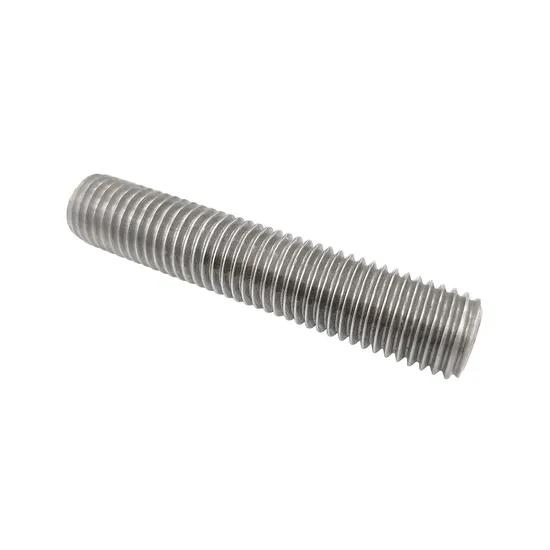
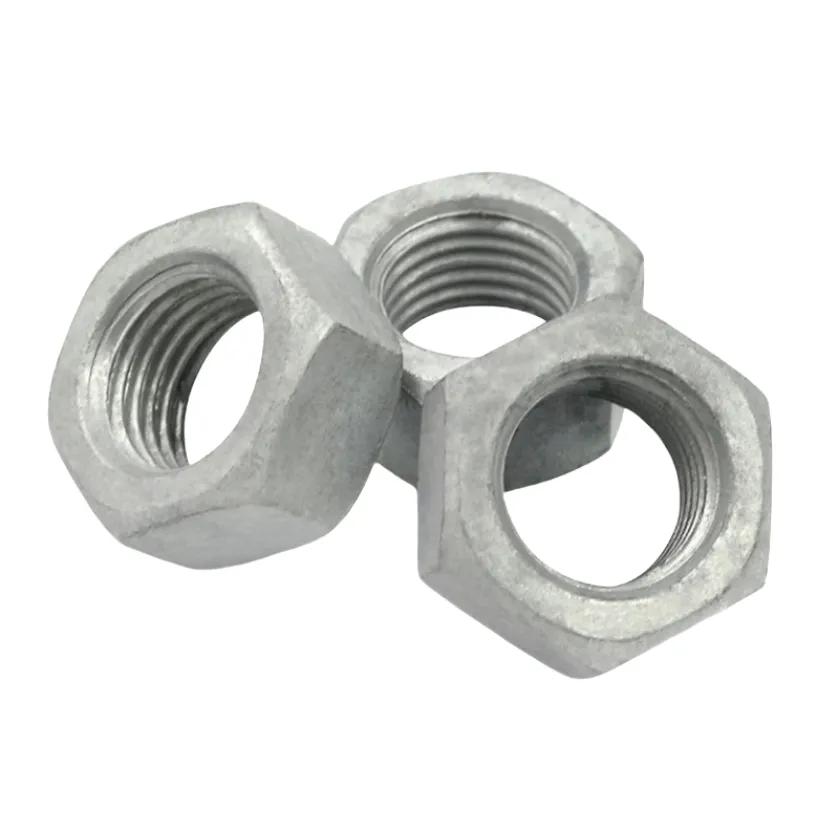
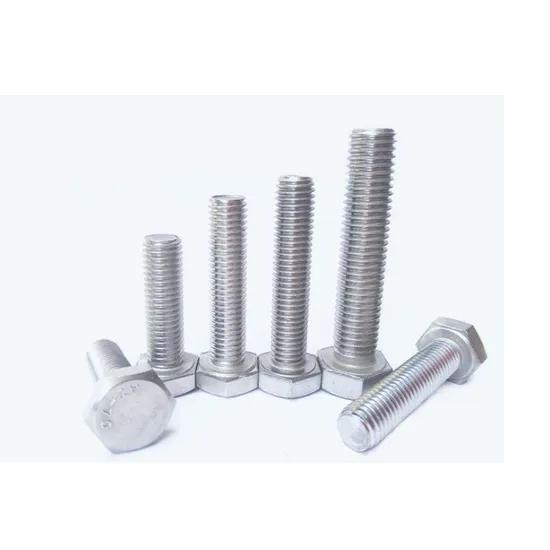
Gangluo is a sour service fasteners manufacturer and supplier serving oil and gas projects across the Middle East, Europe and Asia, producing NACE MR0175 / ISO 15156 compliant stud bolts, hex bolts, nuts and washers for H2S-containing production and processing environments. Our quench and temper lines, hardness verification and documentation system cover carbon steel, alloy steel and stainless bolting selected per ISO 15156-1 material groups, with API 20E / 20F requirements and the Bolting Specification Level (BSL) defined by the project specification where referenced. Sour service orders are supplied with material certificates, hardness reports and SSC verification where required by the project specification, so the bolting arrives audit-ready.
Gangluo — Sour Service Bolting Quick Reference:
- Environment classification: ISO 15156-1 regions 0, 1, 2, 3 defined by H2S partial pressure, pH and temperature
- Material groups: carbon steel, low-alloy steel (e.g. 25CrMo4), martensitic stainless, duplex / super duplex, nickel alloys per ISO 15156-2 / -3
- Hardness control: hardness limits verified per lot (e.g. HRC 22 maximum for low-alloy steel in defined conditions)
- Standards: NACE MR0175 / ISO 15156, API 20E / 20F where specified, EN 10204 3.1 / 3.2 documentation
- Testing: hardness, tensile, impact and SSC test verification according to project requirements
What Defines a Sour Service Fastener
Sour service means the environment contains hydrogen sulfide (H2S) in water, which can crack high-strength steel fasteners through sulfide stress cracking (SSC), hydrogen-induced cracking (HIC) and stress-oriented hydrogen-induced cracking (SOHIC). Fasteners acceptable for sweet service may not meet sour service requirements because H2S exposure changes the cracking risk and material acceptance criteria, which is why the oil and gas industry controls sour service bolting by material selection, hardness limits and heat treatment rather than by coating alone.
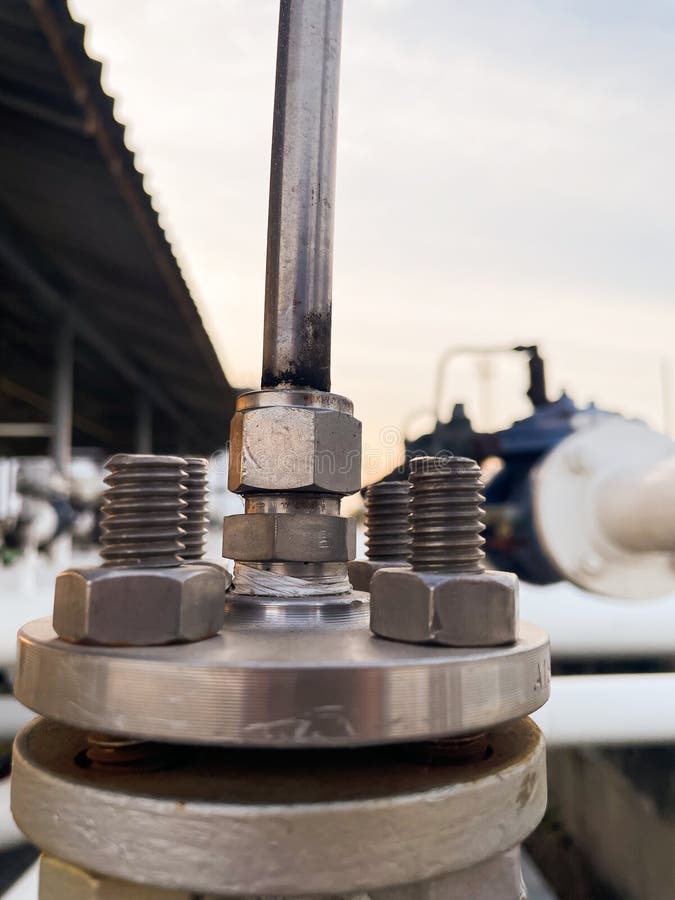
The governing requirements come from NACE MR0175 / ISO 15156 (petroleum and natural gas industries — materials for use in H2S-containing environments in oil and gas production), with bolting-specific requirements also covered by API 20E and API 20F, including the BSL, where projects reference them. For the manufacturer, this means material selection, heat treatment and hardness records must remain traceable through the production lot, to a standard a QA/QC engineer can verify against.
ISO 15156 Environmental Regions and Material Selection
ISO 15156-1 defines service severity by H2S partial pressure, pH and temperature. The buyer does not need to be a metallurgist to write a correct order, but the specification must state the service conditions or the region:
| Region | Typical Environment | Typical Bolting Materials |
|---|---|---|
| 0 | Sweet service, no H2S | Standard alloy steel bolting |
| 1 | Low H2S partial pressure | Carbon steel, low-alloy steel with hardness control |
| 2 | Moderate H2S | Low-alloy steel, 13Cr martensitic stainless, duplex |
| 3 | Severe H2S, low pH | Duplex / super duplex, nickel alloys (e.g. 718, 625) |
Region assignments are defined by the project’s environmental specification; the table above is a practical reference, not a substitute for the project’s classification. When the project documentation states "NACE MR0175" without a region, the default assumption is the full sour service range unless otherwise specified — which is why most sour service bolting orders specify duplex, super duplex or nickel alloy materials, or low-alloy steel with strict hardness limits and SSC verification.
Bolting Materials for H2S Service
| Material | Typical Application | Key Control Point |
|---|---|---|
| Carbon steel, low-alloy steel (Cr-Mo alloy steels selected according to ISO 15156-2 requirements where permitted) | General sour service, moderate H2S | Hardness limit per ISO 15156-2, tempering verification |
| Martensitic stainless (13Cr type) | Wells and process where permitted | Hardness and tempering per ISO 15156-3 |
| Duplex stainless (22Cr, e.g. 2205) | Offshore, chloride + H2S environments | Correct solution annealing, PREN verification |
| Super duplex (25Cr, e.g. 2507) | Severe sour service, high chloride | Phase balance, hardness, PREN >= 40 |
| Nickel alloys (e.g. 625, 718) | Extreme H2S, high temperature | API 20E / 20F CRA where specified, precipitation hardening control |
| ASTM A193 B7M / A194 2HM (where project-specified) | Common flange bolting for controlled hardness sour service | Hardness control and certification per the referenced standard |
Where the project references an American standard (e.g. ASTM A193 B7M or B8M Class 1), the equivalent hardness and process requirements are verified and documented against the same acceptance criteria, with the material certificate stating the referenced standard.
Hardness Control: The Core of Sour Service Bolting
Hardness is the acceptance criterion that separates sour service bolting from standard bolting. Low-alloy steel fasteners in defined sour environments are typically limited to a maximum hardness of HRC 22 (approximately 237 HBW / 250 HV10 per ISO 15156-2 / NACE MR0175), and this limit is verified by hardness testing on the finished part, not merely on separate test bars. Our process:
- Hardness testing per lot on finished fasteners (ISO 6508 Rockwell or ISO 6507 Vickers)
- Tempering temperature and holding time documented in the heat treatment records
- Where required, SSC testing per NACE TM0177 Method A (or Method D DCB) or the project-specified test method
- Material certificates stating hardness values, heat number and the governing standard
Coating selection does not replace sour service material qualification; hardness and metallurgy remain the acceptance basis. Zinc plating, zinc-flake and other finishes protect against atmospheric corrosion, but they do not change the material's susceptibility to SSC — the metallurgy and hardness are what qualify the part for sour service.
Manufacturing and Quality Control
- Heat treatment — quench and temper with documented tempering parameters, plus hardness verification after heat treatment and after any subsequent process
- Thread rolling — rolled threads for fatigue resistance, with thread inspection per the drawing tolerance
- Marking and traceability — grade and heat marking on the fastener where the standard requires it, with full heat number traceability in the certificate package
- Documentation — EN 10204 3.1 material certificates, hardness test reports, and optional 3.2 witness inspection by the buyer's nominated body
- Packaging — oiled and rust-protected packing for sea freight, with certification documents shipped separately or attached per the buyer's instruction
Sour Service Qualification Package
Before PO approval, oil and gas buyers normally review: ISO 9001 quality system, EN 10204 3.1 MTC samples, heat treatment records, hardness test reports, SSC test reports where specified, third-party inspection coordination, and packing and marking records. We assemble this package for each sour service order, so the qualification step does not delay shipment.
Need a pre-qualification technical dossier for your project audit? Request Gangluo’s Sour Service ITP (Inspection Test Plan) and MTC qualification sample package from our quality engineering team.
Why Buyers Choose Gangluo for Sour Service Bolting
- Sour service focus — bolting manufactured and documented specifically for NACE MR0175 / ISO 15156 environments, not general-purpose parts relabeled
- Hardness verification — per-lot hardness testing on finished parts with reports included in the certificate package
- Material range — carbon steel, alloy steel, duplex / super duplex and nickel alloy bolting from one supplier
- Audit-ready documentation — EN 10204 3.1 / 3.2 certificates, heat number traceability and test reports that survive QA/QC review
- MENA project experience — orders supplied for oil and gas projects across the Middle East with ADNOC-style and Saudi Aramco-style documentation requirements
Sourcing and Lead Times
- Common alloy steel and duplex stud bolt sizes are available for rapid dispatch, subject to material availability and certification scope
- Production lots typically ship in 3–5 weeks depending on material group, testing scope and 3.2 witness inspection scheduling
- Quotations include the certificate and testing scope, so the commercial offer matches the delivered documentation
FAQ
Q: What does NACE MR0175 / ISO 15156 mean for fasteners?
A: NACE MR0175 and ISO 15156 are technically aligned standards governing materials in H2S-containing environments; ISO 15156 is split into Part 1 (general principles), Part 2 (cracking-resistant carbon and low-alloy steels) and Part 3 (cracking-resistant CRAs and other alloys). For fasteners, they govern material selection, hardness limits and heat treatment, verified through material certificates and hardness testing.
Q: Can standard 8.8 or 10.9 bolts be used in sour service?
A: Only where the project has verified the material and hardness against the sour service requirements. General-purpose 8.8 / 10.9 bolts are usually not hardness-controlled for sour service and must not be substituted without the project's approval. Sour service bolting is selected and documented per ISO 15156.
Q: Do you provide hardness test reports with every order?
A: Yes. Each production lot ships with hardness test reports on finished parts, material certificates with heat number traceability, and tensile test data where required. Third-party witness inspection (3.2) can be arranged.
Q: What is the difference between plain and coated sour service bolting?
A: Sour service qualification is metallurgical — it comes from material, hardness and heat treatment, not from the coating. Coatings protect against external corrosion where specified, but the hardness and material controls are what qualify the fastener for H2S service.
Q: Can you supply duplex and super duplex stud bolts for offshore projects?
A: Yes. 22Cr duplex (e.g. 2205) and 25Cr super duplex (e.g. 2507) stud bolts, nuts and washers are supplied with material certificates, hardness verification and PREN documentation, subject to project specifications.
Q: What is your minimum order quantity for sour service bolting?
A: MOQ depends on material group, size and testing scope; alloy steel stud bolts in standard sizes start from about 500 pieces, while nickel alloy and super duplex lots are quoted by project requirement. Send the specification and our team will confirm the MOQ, testing scope and lead time within one working day.
Request a quote for your sour service bolting package: send the standard, size range, property requirements and service region, and our engineering team will confirm the material group, hardness control and certification scope within one working day.
📄 Download the sour service bolting RFQ checklist — standard, size, material group, hardness, testing and documentation requirements.
📦 Request sample bolts and MTC examples — evaluate hardness reports and certificate format before ordering.
💬 WhatsApp engineering support — send the bolt specification or project inquiry directly to our team.