316 Stainless Steel Flange Bolts Manufacturer: SS 316 Stud Bolts & Hex Bolts for Oil & Gas
Gangluo — 316 Stainless Steel Flange Bolts Quick Reference:
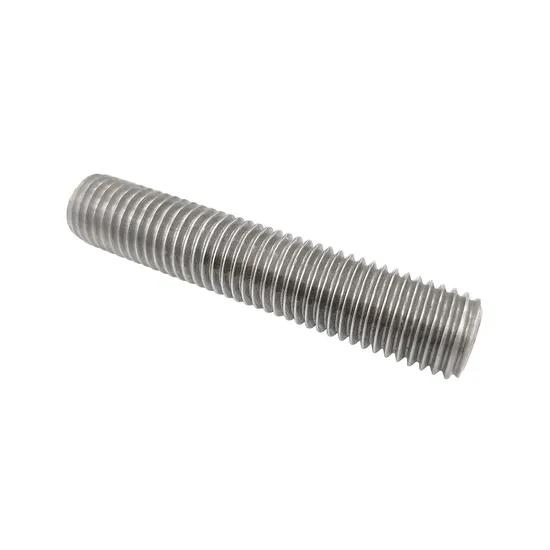
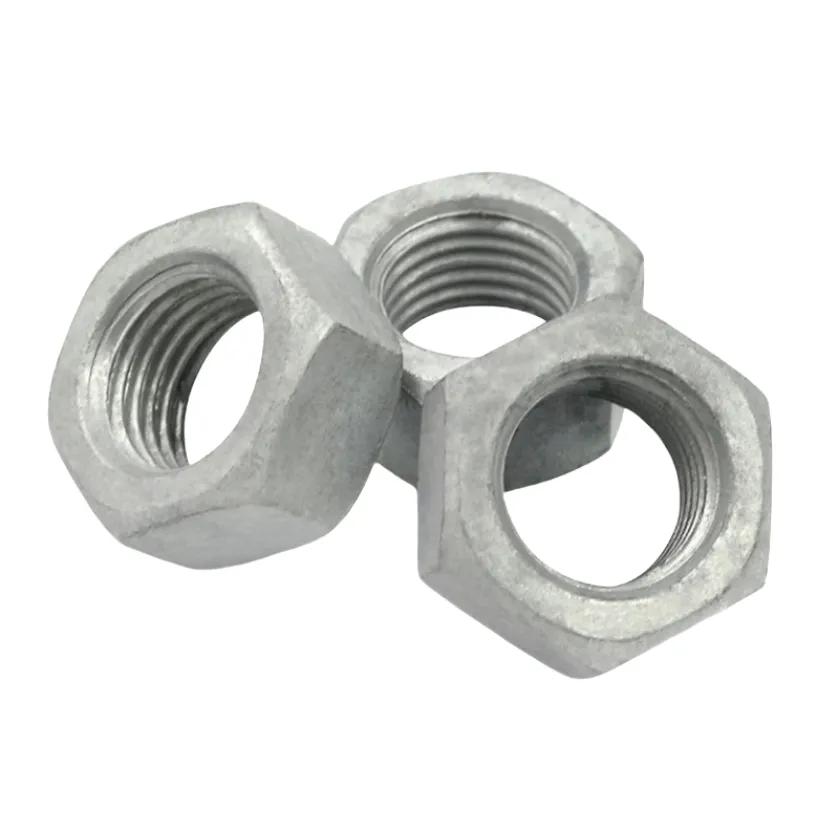
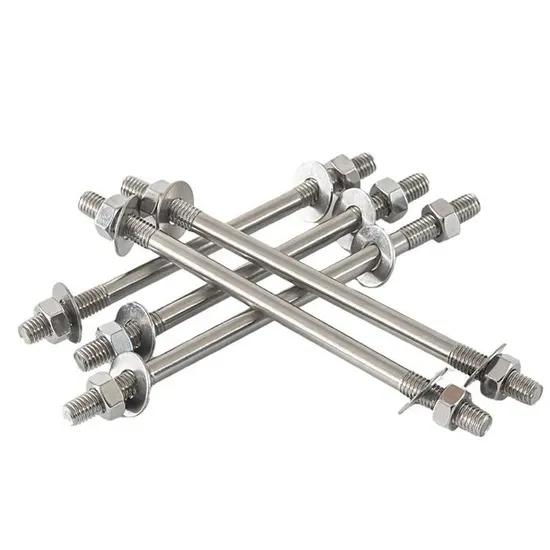
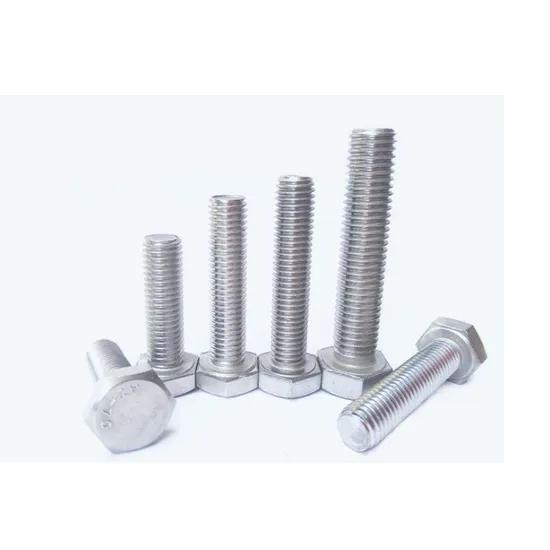
- Products: 316 / 316L stud bolts, hex bolts, nuts and washers for flange connections
- Materials: UNS S31600 (316), UNS S31603 (316L), ISO 3506 A4 austenitic stainless steel
- Property classes: ISO 3506-1 class A4-70 (700 MPa) and cold-worked A4-80 (800 MPa)
- Applications: Offshore platforms, seawater cooling loops, desalination plants, refinery piping and coastal chemical processing across MENA
- Corrosion resistance: PREN 23–28; pitting and crevice resistance in flowing seawater up to ~25 °C; crevice corrosion temperature in stagnant seawater from ~15–20 °C
- Standards: ISO 3506-1/2, EN 10204 3.1, ISO 15156 / NACE MR0175 where applicable, ISO 3651-2 intergranular corrosion testing
- Testing: Chemical composition, mechanical properties, hardness, dimensional inspection
When a flange connection has to survive chlorides, seawater, humid coastal air or process chemicals, carbon steel bolting is usually not the right answer. Gangluo manufactures 316 stainless steel flange bolts, stud bolts, hex bolts and nuts for oil & gas, offshore and chemical projects, supplied with ISO 3506-1/2 property class A4-80 control, material certification and full lot traceability.
The selection, specification and inspection of 316 flange bolting each carry failure modes that show up years later in chloride service; this guide covers where 316 is technically suitable, how it compares with alloy steel and duplex bolting, and the order details that determine performance over the full design life.
Why 316 Stainless Steel Is Used for Flange Bolting
316 stainless steel (UNS S31600; 316L UNS S31603) is an austenitic stainless steel with molybdenum added to improve resistance to pitting and crevice corrosion in chloride environments. For flange connections in seawater cooling systems, offshore platforms, desalination plants, humid coastal facilities and chemical processing, 316 bolting is commonly selected when chloride resistance is required beyond coated carbon steel systems, but higher-alloy Duplex & Super Duplex Fasteners (2205 / 2507) or nickel alloys are not justified by the service conditions.
The molybdenum content (2.0–3.0 %) is what separates 316 from 304 in practice: it raises the pitting resistance equivalent number (PREN = %Cr + 3.3 × %Mo + 16 × %N) to roughly 23–28, which is why 316 is the default stainless grade for marine and chloride service.
316 vs 316L vs A4: Matching the Grade to the Project
Two distinctions decide most specification errors on stainless flange bolting:
- 316 vs 316L: 316L has a lower carbon content (max 0.03 %) and is preferred for welded assemblies because it avoids sensitization and carbide precipitation in the heat-affected zone. For bolting, the strength of 316L in the cold-worked condition is comparable to 316; many projects specify 316L for flange bolting in welded piping systems.
- A4 vs A2: Under ISO 3506, stainless fasteners are classified A2 (304 type) and A4 (316 type). For flange bolting in oil & gas and marine service, A4 is the standard choice; A4-80 (property class 80, minimum tensile 800 MPa) is the common high-strength class. An A4 bolt is machined and cold-worked from a bar with the same corrosion resistance as 316, and the strength comes from work hardening rather than heat treatment.
316 Flange Bolting Specification: What the Buyer Should State
A complete 316 flange bolt order specifies:
- Fastener type: stud bolt with two heavy hex nuts, or hex bolt with matching nut and washer
- Size and thread: metric per the flange standard or piping class, e.g. M16–M36, with the correct thread length for the flange
- Material and class: 316 / 316L (UNS S31600 / S31603), property class A4-80 per ISO 3506-1 (bolts) and ISO 3506-2 (nuts)
- Coating: 316 is used uncoated; if a lubricant is required for assembly, a molybdenum disulfide, PTFE or Xylan dry-film lubricant is specified to control galling on stainless threads — never zinc
- Certification: EN 10204 3.1 material certificate with heat number, chemical composition and mechanical properties, plus certificate of conformity where required
For flange bolting specifically, state the flange rating and pressure class (e.g. PN16–PN160), the design temperature, the media and the gasket type, because these determine the bolt size, thread length and material selection. A common error is specifying "stainless steel bolts" without a property class. A4-80 gives 800 MPa minimum tensile strength, while A4-70 (700 MPa) is specified where lower hardness is required, for example for galling control or sour service (NACE MR0175 / ISO 15156) considerations. The class must be stated on the order.
Corrosion Considerations in Seawater and Chloride Service
The reason 316 is selected — chloride resistance — is also where its limits are. The buyer should know the operating boundary:
- Pitting and crevice corrosion: 316 resists pitting and crevice attack in flowing seawater up to roughly 25 °C. In stagnant or low-flow seawater the critical crevice corrosion temperature drops to approximately 15–20 °C, so desalination and coastal cooling systems operating above this need duplex or higher-alloy grades.
- Chloride stress corrosion cracking (CSCC): 316 austenitic stainless is susceptible to CSCC at elevated temperatures (typically above 60 °C) in chloride environments, especially where residual or applied tensile stress exists. Threads and cold-worked bolt heads are stress raisers. Where continuous elevated-temperature chloride service is expected, duplex stainless (2205 / 2507) or nickel alloys are specified instead.
- Galvanic corrosion: when 316 bolting is used with carbon steel flanges, the large flange surface protects the small fastener area, which is generally acceptable; when 316 is used with more noble materials, the bolt may become the anode. The project corrosion engineer should confirm the pairing.
- Crevices at the thread and under the nut: thread roots and nut-to-bolt interfaces are the first places chloride attack starts. Using 316L, ensuring a clean assembly and applying approved anti-seize paste reduces the risk.
316 vs Alloy Steel vs Duplex: Selecting the Right Bolting Material
| Service condition | Recommended bolting | PREN | Min. tensile strength | Operational notes |
|---|---|---|---|---|
| Dry / mildly corrosive, low temperature | Carbon or alloy steel, coated | — | — | Lowest cost; coating inspection required |
| Chloride / seawater, moderate temperature | 316 / 316L (A4-80) | 23–28 | 800 MPa (A4-80) | Standard marine and coastal choice |
| Chloride plus elevated temperature, sour service | Duplex 2205 / 2507 | 35–40 | 650–800 MPa | Higher strength, better CSCC resistance than 316 |
| High temperature, very corrosive | Nickel alloys (e.g. Inconel 625/718, Monel) | >40 | 760–1030 MPa | For extreme process conditions |
When 316 flange bolting reaches its corrosion, temperature or sour-service limits, the material selection path moves to duplex, super duplex or nickel alloy solutions. See our related guides: Sour Service Fasteners (ISO 15156 / NACE MR0175) and Duplex & Super Duplex Fasteners (2205 / 2507). For high-temperature and high-pressure applications exceeding 316’s limits, see our High Temperature High Pressure Bolting guide covering Inconel 718 and alloy steel solutions. Where the process involves H2S, the additional requirements of ISO 15156 / NACE MR0175 apply, and the use of 316 in sour service is limited to specific conditions of hardness, cold work and temperature — verify the standard limits with the project metallurgist before ordering.
Manufacturing and Quality Control at Gangluo
Gangluo produces 316 flange bolting on a controlled line:
- Material control — 316 / 316L bar stock from certified mills, with material certificates verified on receipt and heat numbers recorded
- Cold heading and thread rolling — bolts and studs are cold-worked to the required property class; threads are rolled (not cut) to maintain continuous grain flow and produce smooth thread surfaces (Ra ≤ 0.8 µm), which reduces thread galling during tensioning
- Thread control — thread fit verified with calibrated gauges; nuts matched to the bolt class
- Laboratory inspection — chemical composition (PMI verification), tensile and yield testing, hardness checks, dimensional inspection and intergranular corrosion testing per ISO 3651-2, with results recorded in the certificate package
- Traceability — heat number and lot traceability from bar to finished batch, supported by EN 10204 3.1 certificates from our in-house testing laboratory
All 316 flange bolting is supplied with documentation that matches the commercial offer, so the delivered certificate package supports project inspection and QA/QC acceptance.
MENA Project Compatibility
Gangluo supplies 316 flange bolting matched to the flange standards used across Middle East projects, including ASME B16.5 and EN 1092-1 flange ratings from Class 150 to 600 / PN16 to PN160, with material and certification packages prepared for EPC and QA/QC acceptance.
📄 Technical Procurement Support: need to verify bolt size, torque and flange pressure class before issuing an RFQ? Download the Gangluo 316 flange bolt torque and pressure-class reference table.
Standard Compatibility
Some international oil & gas projects reference ASTM A193 B8 / B8M stainless bolting and ASTM A194 stainless nuts in their specifications. Where such standards are listed in the project documents, Gangluo verifies the equivalent material, property class and certification requirements against the project scope before production.
Sourcing and Lead Times
- Common sizes (M16–M36, A4-80) are available for dispatch from stock or short production runs, typically 2–3 weeks
- Project-specific sizes, longer studs and special thread lengths are manufactured to order, typically 3–4 weeks
- Quotations include the material certification and property class, so the commercial offer matches the delivered documentation
FAQ
Q: What is the difference between 316 and A4 stainless steel bolts?
A: They are the same material family. A4 is the ISO 3506 designation for 316-type stainless; an A4 bolt is manufactured from 316-type steel with controlled mechanical properties. The bolt itself is not an alloy change — A4 is the grade classification for fasteners, with property classes A4-70 and A4-80.
Q: Should I use 316 or 316L for flange bolts?
A: For bolting, both are used. 316L is preferred where the fastener is welded or where sensitization in service is a concern; for standard flange bolting, 316 and 316L perform similarly, and many projects specify 316L to keep the whole piping system on one carbon level. State the grade on the order.
Q: Can 316 flange bolts be used in sour service (H2S)?
A: Only within the specific limits defined by ISO 15156 / NACE MR0175, which typically require A4-70 with hardness ≤ 22 HRC and a solution-annealed condition to prevent sulfide stress cracking; the exact limits depend on H2S partial pressure, pH, temperature and hardness. Where sour service is expected, verify the applicable conditions with the project metallurgist; for severe sour service, duplex or nickel alloy bolting is typically specified instead. See our Sour Service Fasteners guide for detailed material selection criteria.
Q: What property class should I order — A4-70 or A4-80?
A: A4-80 (800 MPa) is the standard high-strength class for 316 flange bolting. A4-70 is specified where lower hardness is required, for example to reduce galling risk or meet a project hardness limit. State the class; do not leave it open.
Q: Do 316 bolts need a coating?
A: No. 316 is selected for its corrosion resistance and is used uncoated. For assembly, an approved anti-seize compound is applied; zinc or other sacrificial coatings are not used on stainless steel.
Q: What certificates do you provide?
A: EN 10204 3.1 material certificates with chemical composition, mechanical properties and heat number, prepared from our in-house testing laboratory. 3.2 certificates with third-party witness are available where the project requires.
Q: What is the minimum order quantity?
A: Common sizes start from about 2,000–10,000 pieces depending on type and size, with project-specific sizes quoted by requirement. Send the specification and our team will confirm the MOQ and lead time within one working day.
Request a quote for your 316 stainless steel flange bolting package: send the fastener types, sizes, quantity, material (316 / 316L), property class (A4-70 / A4-80) and certificate scope, and our engineering team will confirm the specification within one working day.
📄 Download the stainless steel bolting RFQ checklist — type, size, grade, property class and certification requirements.
📦 Request sample kits — evaluate thread fit, surface condition and assembly behavior before ordering.
💬 WhatsApp engineering support — send the BOM or project inquiry directly to our team.
Related guides: Sour Service Fasteners (NACE MR0175 / ISO 15156) · High Temperature High Pressure Bolting · Duplex & Super Duplex Fasteners (2205 / 2507) · Oil & Gas Fasteners Manufacturer