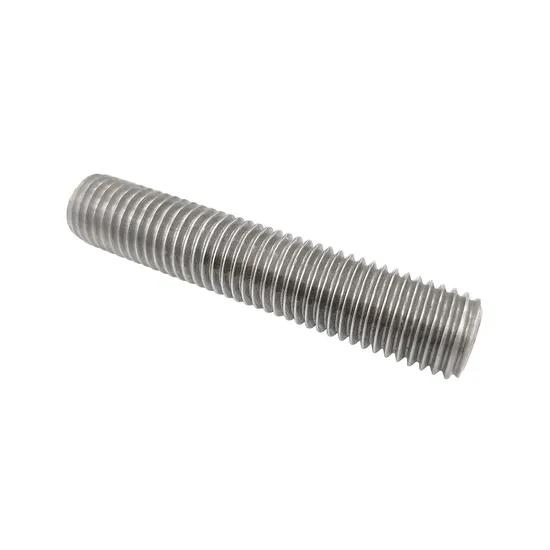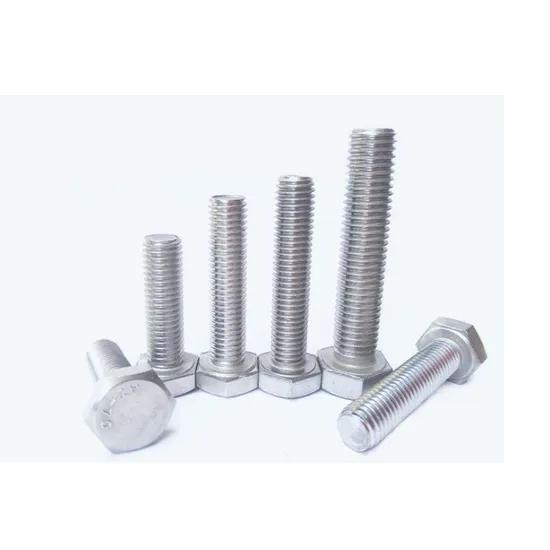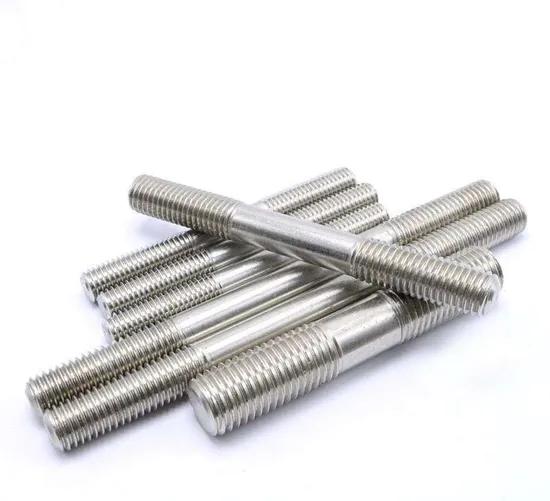
High Temperature High Pressure Bolting Manufacturer: Inconel 718 & Alloy Steel Stud Bolts for Oil & Gas
Gangluo is a high temperature high pressure (HTHP) bolting manufacturer and supplier for oil and gas projects across the Middle East, Europe and Asia, producing Inconel 718 and alloy steel stud bolts for elevated-temperature flange, valve and wellhead applications, including services above 400 °C where specified by project requirements. Our material program covers nickel alloys and Cr-Mo alloy steels with precipitation hardening or quench and temper control, and every HTHP order ships with elevated temperature test data, hardness verification and EN 10204 3.1 / 3.2 documentation.
Gangluo — High Temperature Bolting Quick Reference:
- Materials: Inconel 718 (UNS N07718), alloy steels (Cr-Mo types), and project-specified CRA materials
- Service range: elevated temperature bolting for flange, valve, wellhead and heat exchanger service
- Manufacturing: precipitation hardening (Inconel 718), quench and temper (alloy steel), controlled thread rolling
- Testing: elevated temperature tensile verification where specified, hardness, impact and PMI checks
- Standards: API 20E / 20F requirements where referenced, EN 10204 3.1 / 3.2 documentation, project specification compliance
Why HTHP Service Changes the Bolting Specification
At high temperature, a bolted connection behaves differently: the fastener relaxes as the connection heats up (stress relaxation), thermal expansion changes the preload, and the material's yield strength drops. At high pressure, the flange load requirement rises. In practice, material selection changes when the calculated preload loss, creep resistance or corrosion requirement exceeds the capability of conventional alloy steel bolting — nickel alloys such as Inconel 718 are then chosen where temperatures push past alloy steel capability, and Cr-Mo alloy steels for intermediate service.
For a procurement engineer, the specification decision is driven by the flange rating and the operating temperature. The bolting standard, material and preload procedure follow the project's design code; our role is to manufacture and document the bolting so the certificate package matches what the design engineer specified.
High Temperature Bolting Materials
| Material | Typical Service | Key Control Points |
|---|---|---|
| Cr-Mo alloy steels (e.g. 25CrMo4, 42CrMo4) | Elevated temperature flange bolting, moderate ratings | Quench and temper control, hardness verification, low-temperature impact where specified |
| Inconel 718 (UNS N07718) | High temperature and high pressure service, sour plus hot service | Precipitation hardening (ageing) control, elevated temperature tensile verification, hardness range |
| Other CRA materials (e.g. Alloy 625, Inconel 725 / 925) | Project-specified extreme service | Material certification and process control per API 20E / 20F where referenced |
Inconel 718 is a common choice for high temperature bolting in oil and gas because it keeps useful strength up to about 650 °C and resists corrosion and chloride environments. It may also be selected for combined high-temperature and sour service applications where the material condition and project requirements permit. Its mechanical properties come from precipitation hardening — solution anneal followed by controlled ageing — so the heat treatment record is as important as the material certificate.
High Pressure Bolting for Flanges, Valves and Wellhead Equipment
Pressure class drives the load the bolting must hold: higher pressure ratings mean higher flange end loads and therefore larger or higher strength bolting, calculated against the flange standard and gasket seating load. For HTHP service, the preload is set so the connection holds its seal under both pressure and thermal cycling — which is why the preload procedure, not just the fastener grade, is part of the bolting specification. Our engineering team cross-checks the pressure rating and flange loading with the buyer before manufacturing, and confirms the bolt size, material and preload requirements against the project datasheet.
Stress Relaxation Control in High Temperature Bolting
At operating temperature, a bolted connection gradually loses clamp load as the fastener relaxes — stress relaxation, not creep rupture, is the governing failure mode for most flange bolting. The specification therefore considers the relaxation resistance of the material at the design temperature, the initial preload and the re-tightening procedure during shutdown. Inconel 718 is selected for hot service partly because its precipitation-hardened structure holds clamp load far better than quench and tempered alloy steel at the same temperature. Where the project requires it, we verify elevated temperature tensile properties at the design temperature and document the relaxation considerations in the certificate package.
What the Buyer Should Specify
A correct HTHP bolting order states: the flange or valve standard and pressure rating (which sets the load requirement), the operating and design temperature, the material (or "per project specification"), the certificate scope (EN 10204 3.1 or 3.2), and the finish. Where the project references API 20E or API 20F, the Bolting Specification Level (BSL) determines the extent of testing, including elevated temperature verification and traceability requirements. When in doubt, send the datasheet or the design code reference — our engineering team will confirm the material and testing scope before quoting.
Manufacturing and Heat Treatment
- Precipitation hardening (Inconel 718) — solution anneal and two-step ageing with furnace records, giving the aged hardness and tensile properties that define the grade
- Quench and temper (alloy steel) — controlled austenitizing, quench and temper with documented temperatures and holding times
- Thread rolling — after heat treatment where the grade permits, with thread inspection per the drawing tolerance
- Hardness verification — per-lot hardness testing on finished parts, reported in the certificate package
- PMI (Positive Material Identification) — where specified, confirming alloy composition on finished parts
- Traceability — heat number marking and full traceability through the production lot
Quality and Documentation
Each production lot ships with a material certificate, hardness reports and, where specified, elevated temperature tensile test data. EN 10204 3.1 certificates are prepared from our in-house testing laboratory and quality documentation system, with 3.2 witness inspection available through the buyer's nominated body. For API 20E / 20F referenced orders, the documentation package follows the BSL defined by the project, including the required test scope and inspection records. Flange applications are supplied according to the project flange specification and the applicable material requirements.
Why Buyers Choose Gangluo for HTHP Bolting
- Material range — Inconel 718, 21CrMoV5-7 and Cr-Mo alloy steel bolting from one supplier, with CRA options where the project requires them
- Heat treatment control — precipitation hardening and quench and temper processes documented with furnace records
- Elevated temperature data — tensile and hardness verification reported where the project requires it
- Audit-ready certificates — EN 10204 3.1 / 3.2 documentation with heat number traceability
- MENA project experience — bolting supplied for oil and gas projects across the Middle East with ADNOC-style and Saudi Aramco-style documentation requirements
Reviewing HTHP technical documentation for an upcoming project audit? Request Gangluo’s HTHP technical dossier — including Inconel 718 furnace charts and elevated temperature tensile test samples — from our quality engineering team.
Sourcing and Lead Times
- Inconel 718 stud bolts are manufactured to order from certified raw material, typically shipping in 4–6 weeks depending on size and testing scope
- Cr-Mo alloy steel stud bolts in common sizes are available for faster dispatch, subject to material availability
- Quotations include the material certification and testing scope, so the commercial offer matches the delivered documentation
FAQ
Q: Why use Inconel 718 for high temperature bolting?
A: Inconel 718 (UNS N07718) retains useful strength to about 650 °C and resists corrosion and chloride environments, and is selected for combined high-temperature and sour service where the material condition and project requirements permit. Its properties come from precipitation hardening, so the ageing heat treatment record is part of the certification.
Q: What is the difference between alloy steel and Inconel 718 stud bolts?
A: Cr-Mo alloy steel stud bolts (e.g. 25CrMo4, 42CrMo4) are used for moderate elevated temperature flange bolting. Inconel 718 is specified where temperatures exceed 500 °C (up to about 650 °C) or in combined extreme HTHP and hot sour service, where carbon and alloy steels suffer rapid strength degradation or environmental cracking.
Q: Can you provide elevated temperature tensile test data?
A: Yes, where the project specification requires it. Elevated temperature tensile verification is performed at the temperature defined by the project, with the results included in the certificate package. For API 20E / 20F referenced orders, the test scope follows the BSL defined by the project.
Q: Do you provide EN 10204 3.1 or 3.2 certificates?
A: Both. EN 10204 3.1 certificates are prepared from our in-house testing laboratory and quality documentation system; 3.2 witness inspection can be arranged through the buyer's nominated inspection body, subject to scheduling.
Q: What is the minimum order quantity for Inconel 718 stud bolts?
A: Inconel 718 lots are quoted by project requirement because material certification and testing dominate the cost structure; typical orders start from about 100–500 pieces depending on size. Send the specification and our team will confirm the MOQ, testing scope and lead time within one working day.
Q: Can you manufacture bolting to a specific flange rating or datasheet?
A: Yes. Send the flange standard, pressure rating, operating temperature or the datasheet, and our engineering team will confirm the material, hardness range and certificate scope before quoting.
Request a quote for your HTHP bolting package. Please include the flange standard and pressure class, operating and design temperature, material or project specification reference, preload / tightening requirements, quantity and certificate scope. Our engineering team will confirm the material, testing program and relaxation considerations within one working day.
📄 Download the high temperature bolting RFQ checklist — flange rating, temperature, material, testing and documentation requirements.
📦 Request sample bolts and MTC examples — evaluate material certification and heat treatment records before ordering.
💬 WhatsApp engineering support — send the specification or project inquiry directly to our team.