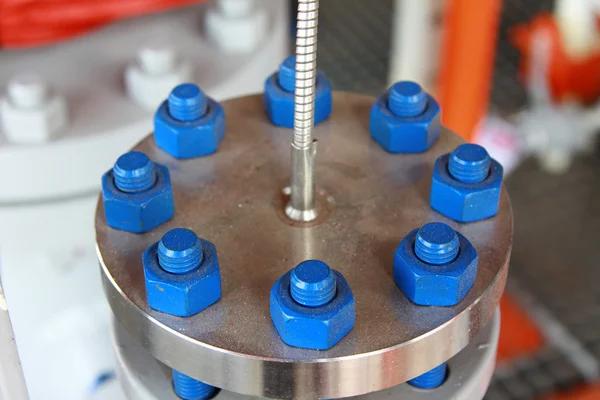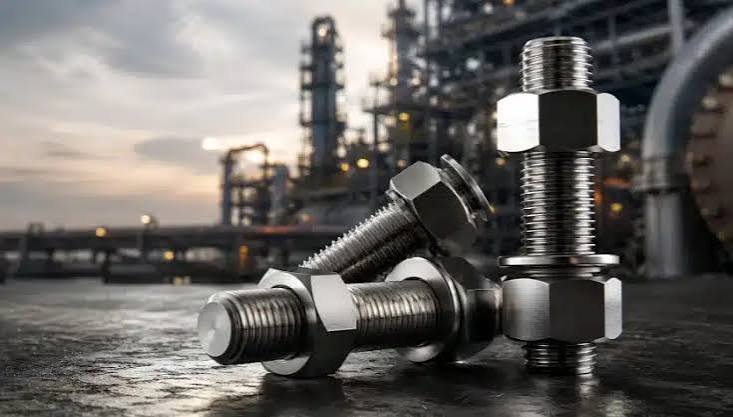
For MENA oil and gas projects, fastener approval depends on more than product specification. EN 10204 3.1 MTC, NACE MR0175 compliance, and material traceability are critical documentation requirements for Saudi Aramco and ADNOC projects. This guide explains how fastener suppliers should prepare quality documentation to support EPC procurement.
Quick Decision Matrix: EN 10204 3.1 vs 3.2 for Middle East O&G Fasteners
| Project Condition | Required Certificate |
|---|---|
| General non-sour utility service, standard pressure class | EN 10204 3.1 |
| Wellhead, high-pressure equipment, ASME B16.5 Class 600 and above | EN 10204 3.2 |
| Sour service with H₂S exposure per NACE MR0175/ISO 15156 | EN 10204 3.2 |
| EPC contract explicitly requires third-party inspection | EN 10204 3.2 |
Why Oil & Gas Fastener Approval Is Different
Oil and gas fastener procurement involves multiple parties: EPC contractors, procurement companies, inspection agencies, and end users. Unlike standard industrial purchasing, fastener approval for MENA energy projects requires detailed quality documentation, material traceability, and compliance with international standards referenced in Saudi Aramco 02-SAMSS-008 and ADNOC MESC specifications. A shipment can be delayed even when the physical products meet specification if supporting documents are incomplete.
EN 10204 3.1 MTC for Fasteners
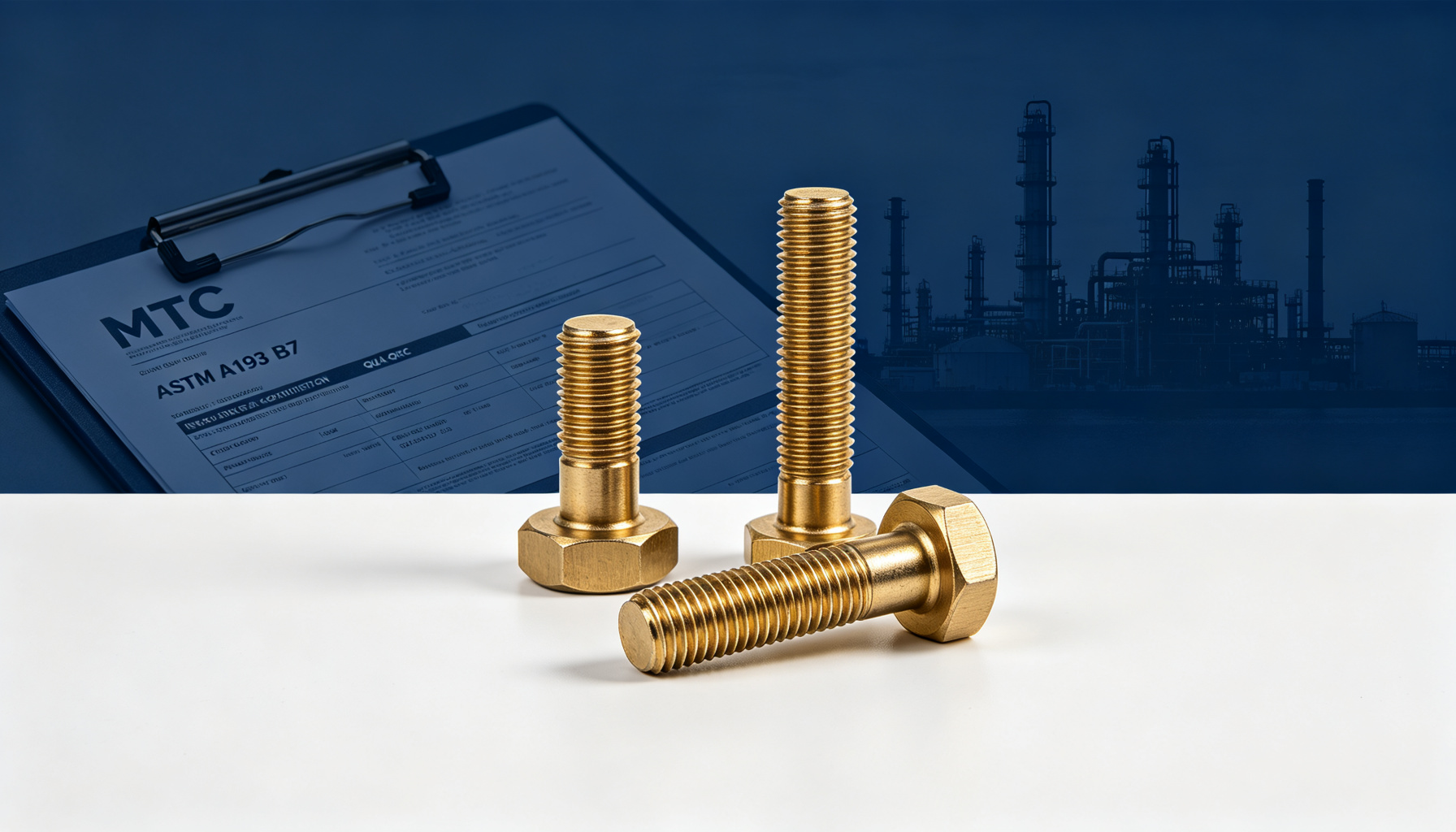
EN 10204 3.1 is a material inspection document issued by the manufacturer. For oil and gas fasteners, buyers review material grade, heat number, chemical composition, and mechanical properties. Every 3.1 certificate must match the exact delivered batch: no generic certificates are accepted. Common fastener grades for MENA projects include ASTM A193 B7/B7M stud bolts, ASTM A194 2H/2HM nuts, and ASTM A320 L7/L7M low-temperature bolts. B7M and L7M are the standard sour service grades with hardness capped at 22 HRC across base material, welds, and heat affected zones.
NACE MR0175 / ISO 15156 Sour Service Requirements
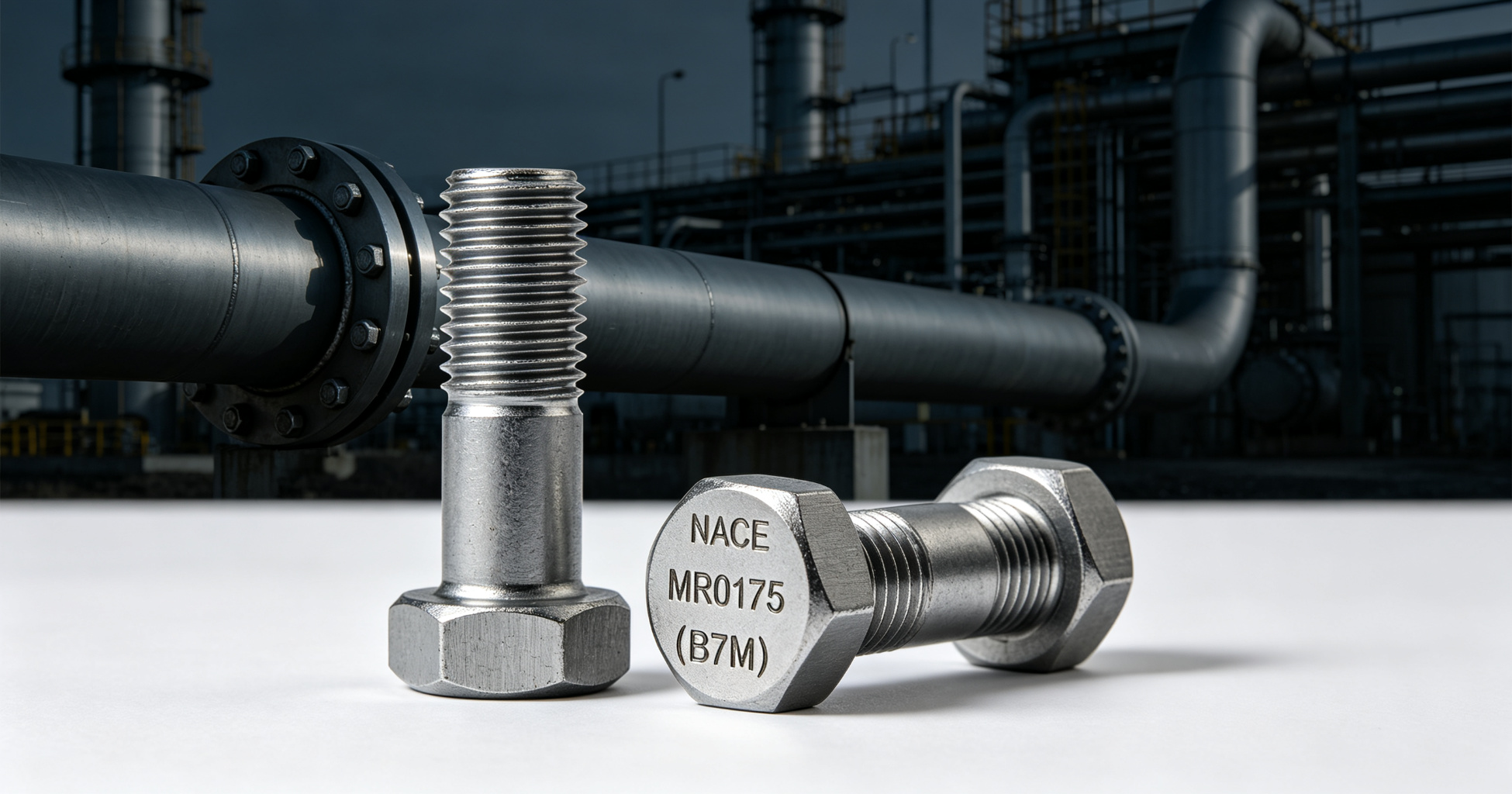
NACE MR0175 / ISO 15156 governs materials used in hydrogen sulfide (H₂S) containing sour service environments. For carbon steel and alloy steel fasteners used in sour service, the entire fastener cross-section (base material, weld zone, and heat affected zone) must not exceed 22 HRC. Hardness testing is performed per ISO 6507 (Vickers, typically HV10) or ASTM E10 (Brinell), with test locations explicitly marked on the inspection report. Compliance is evaluated per project specification, not treated as a simple product label.
Documentation Checklists for Aramco and ADNOC Projects
A complete fastener documentation package typically includes:
- Material Documentation: EN 10204 3.1 or 3.2 MTC, with unique heat number, mill stamp, and chemical/mechanical test results
- Mechanical Test Reports: tensile strength, yield strength, elongation, hardness across all required zones
- Dimensional Inspection: diameter, length, thread dimensions, head marking verification
- Coating Reports: coating type, thickness, inspection method for hot dip galvanizing or other surface treatments
Traceability runs end to end: steel mill heat number → wire rod batch → fastener production lot → heat treatment record → inspection report → package marking. Every fastener has permanent head markings showing grade, manufacturer mark, and short heat code matching the MTC.
Common Compliance Problems and Solutions
Four issues cause most MENA fastener shipment delays:
- Incorrect grade selection: substituting B7 for B7M in sour service without material traceability
- Missing traceability: generic MTC documents that do not match delivered batches
- Hardness testing gaps: only testing base material and missing weld/HAZ zones
- Poor supplier communication: slow document response during EPC audits
A reliable supplier with in-house manufacturing, controlled heat treatment, and documented traceability avoids all these delays.
Evaluating a Fastener Supplier for MENA Projects
Before sending RFQs, buyers should confirm: the supplier can produce the required grades (B7/B7M/L7/L7M), provides sample 3.1/3.2 MTC packages upfront, supports factory audits, and documents post-galvanizing hydrogen embrittlement baking per ISO 10684. Lowest price is not the lowest project cost—delivery delays and documentation rework cost far more than the fastener unit price difference.
Frequently Asked Questions
What is the difference between EN 10204 3.1 and 3.2 certificates?
3.1 is issued by the manufacturer. 3.2 is co-signed by an independent third-party inspection body, required for high-pressure, sour service, or contract-specified projects.
Do all Aramco fastener orders require NACE MR0175 compliance?
Only for sour service applications. Utility and structural fasteners in non-sour service do not require full NACE compliance, but hardness control still follows project specifications.
What is the maximum allowed hardness for sour service bolts?
Carbon and low alloy steel fasteners for H₂S service must not exceed 22 HRC across base material, welds, and HAZ per NACE MR0175.
Can a trading company provide valid EN 10204 MTC documents?
Traders can pass through mill documents, but EPC audits require direct traceability to the original mill and manufacturer, plus the manufacturer's own inspection stamp.
How long does it take to produce compliant fasteners for MENA projects?
Standard compliant fasteners are usually produced in 14-21 days, including documentation and third-party inspection where required.
Take Next Step With Your Fastener Project
For MENA oil and gas projects, fastener approval depends on more than product specification. EN 10204 3.1 MTC, NACE MR0175 compliance, and material traceability are critical documentation requirements for Saudi Aramco and ADNOC projects. This guide explains how fastener suppliers should prepare quality documentation to support EPC procurement.
Quick Decision Matrix: EN 10204 3.1 vs 3.2 for Middle East O&G Fasteners
| Project Condition | Required Certificate |
|---|---|
| General non-sour utility service, standard pressure class | EN 10204 3.1 |
| Wellhead, high-pressure equipment, ASME B16.5 Class 600 and above | EN 10204 3.2 |
| Sour service with H₂S exposure per NACE MR0175/ISO 15156 | EN 10204 3.2 |
| EPC contract explicitly requires third-party inspection | EN 10204 3.2 |
Why Oil & Gas Fastener Approval Is Different
Oil and gas fastener procurement involves multiple parties: EPC contractors, procurement companies, inspection agencies, and end users. Unlike standard industrial purchasing, fastener approval for MENA energy projects requires detailed quality documentation, material traceability, and compliance with international standards referenced in Saudi Aramco 02-SAMSS-008 and ADNOC MESC specifications. A shipment can be delayed even when the physical products meet specification if supporting documents are incomplete.
EN 10204 3.1 MTC for Fasteners
EN 10204 3.1 is a material inspection document issued by the manufacturer. For oil and gas fasteners, buyers review material grade, heat number, chemical composition, and mechanical properties. Every 3.1 certificate must match the exact delivered batch: no generic certificates are accepted. Common fastener grades for MENA projects include ASTM A193 B7/B7M stud bolts, ASTM A194 2H/2HM nuts, and ASTM A320 L7/L7M low-temperature bolts. B7M and L7M are the standard sour service grades with hardness capped at 22 HRC across base material, welds, and heat affected zones.
NACE MR0175 / ISO 15156 Sour Service Requirements
NACE MR0175 / ISO 15156 governs materials used in hydrogen sulfide (H₂S) containing sour service environments. For carbon steel and alloy steel fasteners used in sour service, the entire fastener cross-section (base material, weld zone, and heat affected zone) must not exceed 22 HRC. Hardness testing is performed per ISO 6507 (Vickers, typically HV10) or ASTM E10 (Brinell), with test locations explicitly marked on the inspection report. Compliance is evaluated per project specification, not treated as a simple product label.
Documentation Checklists for Aramco and ADNOC Projects
A complete fastener documentation package typically includes:
- Material Documentation: EN 10204 3.1 or 3.2 MTC, with unique heat number, mill stamp, and chemical/mechanical test results
- Mechanical Test Reports: tensile strength, yield strength, elongation, hardness across all required zones
- Dimensional Inspection: diameter, length, thread dimensions, head marking verification
- Coating Reports: coating type, thickness, inspection method for hot dip galvanizing or other surface treatments
Traceability runs end to end: steel mill heat number → wire rod batch → fastener production lot → heat treatment record → inspection report → package marking. Every fastener has permanent head markings showing grade, manufacturer mark, and short heat code matching the MTC.
Common Compliance Problems and Solutions
Four issues cause most MENA fastener shipment delays:
- Incorrect grade selection: substituting B7 for B7M in sour service without material traceability
- Missing traceability: generic MTC documents that do not match delivered batches
- Hardness testing gaps: only testing base material and missing weld/HAZ zones
- Poor supplier communication: slow document response during EPC audits
A reliable supplier with in-house manufacturing, controlled heat treatment, and documented traceability avoids all these delays.
Evaluating a Fastener Supplier for MENA Projects
Before sending RFQs, buyers should confirm: the supplier can produce the required grades (B7/B7M/L7/L7M), provides sample 3.1/3.2 MTC packages upfront, supports factory audits, and documents post-galvanizing hydrogen embrittlement baking per ISO 10684. Lowest price is not the lowest project cost—delivery delays and documentation rework cost far more than the fastener unit price difference.
Frequently Asked Questions
What is the difference between EN 10204 3.1 and 3.2 certificates?
3.1 is issued by the manufacturer. 3.2 is co-signed by an independent third-party inspection body, required for high-pressure, sour service, or contract-specified projects.
Do all Aramco fastener orders require NACE MR0175 compliance?
Only for sour service applications. Utility and structural fasteners in non-sour service do not require full NACE compliance, but hardness control still follows project specifications.
What is the maximum allowed hardness for sour service bolts?
Carbon and low alloy steel fasteners for H₂S service must not exceed 22 HRC across base material, welds, and HAZ per NACE MR0175.
Can a trading company provide valid EN 10204 MTC documents?
Traders can pass through mill documents, but EPC audits require direct traceability to the original mill and manufacturer, plus the manufacturer's own inspection stamp.
How long does it take to produce compliant fasteners for MENA projects?
Standard compliant fasteners are usually produced in 14-21 days, including documentation and third-party inspection where required.
Take Next Step With Your Fastener Project
Send us your fastener BOM, project specification, and required documentation level. We will provide a sample 3.1 MTC package and lead time quote for your Aramco, ADNOC, or other MENA EPC project, with full traceability and no hidden documentation delays.