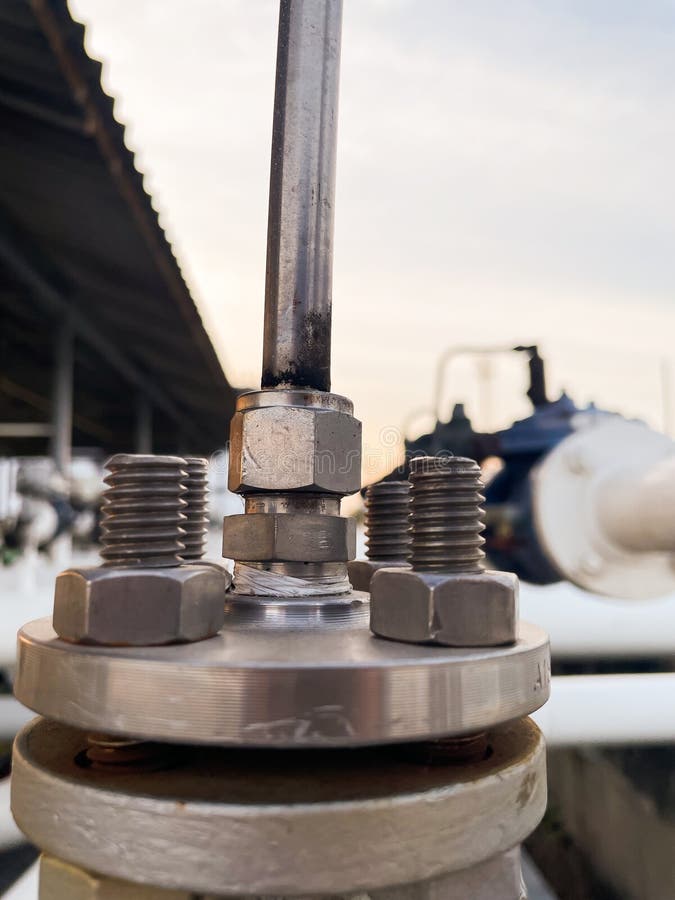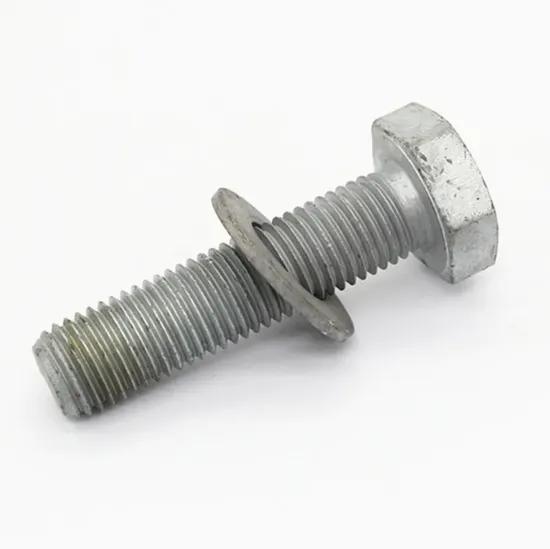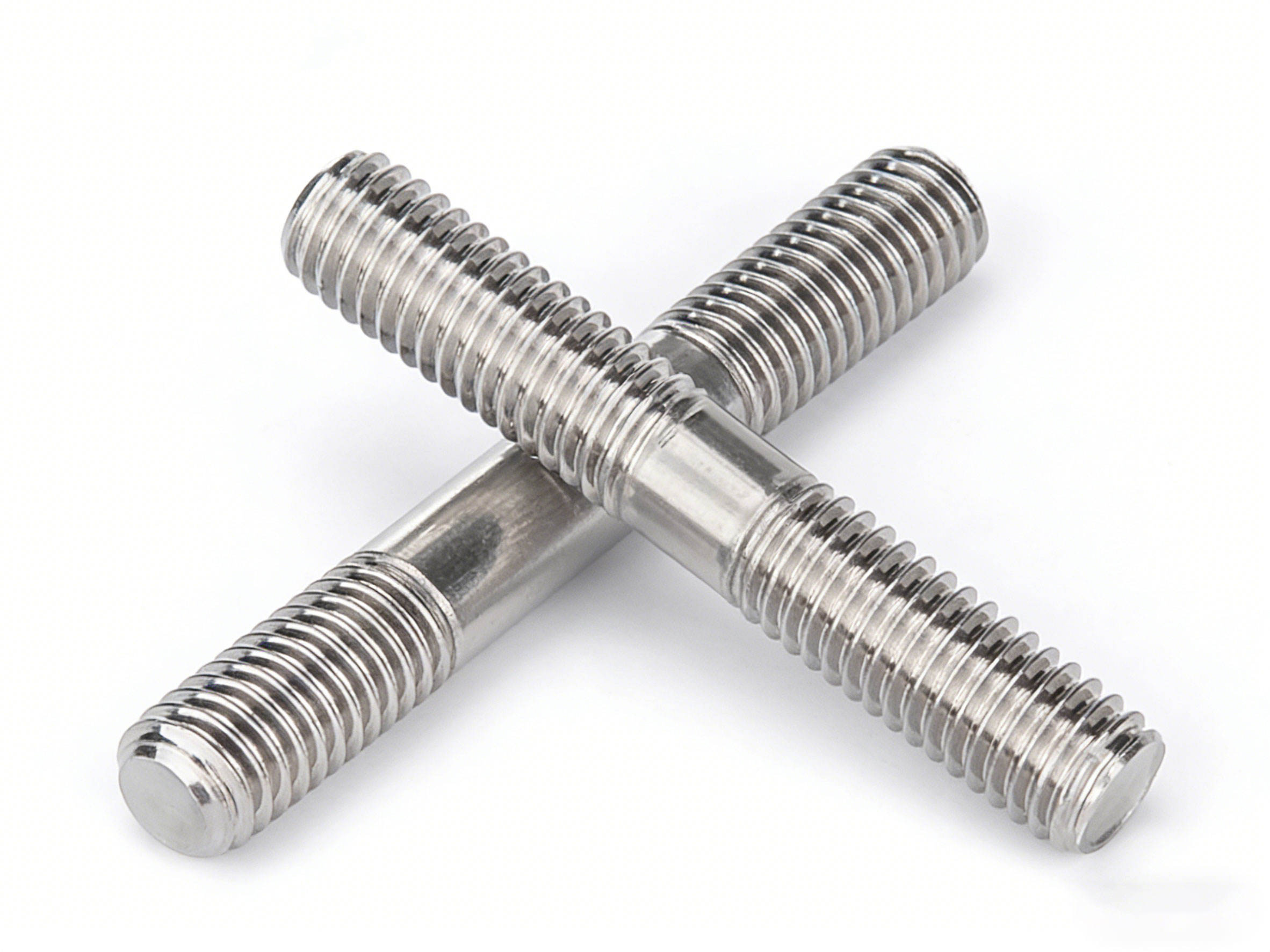
Carbon steel B7 studs remain the standard bolting choice for many refinery and petrochemical flange connections. They are widely used where temperature, pressure and corrosion conditions remain within carbon steel service limits.
The specification changes when the bolting itself becomes the corrosion-limiting component: seawater pump flanges at coastal terminals, sour-gas equipment where H₂S combines with chlorides and elevated temperature, chlorinated cooling-water systems, offshore splash-zone hardware, and chemical process equipment exposed to aggressive chloride environments.
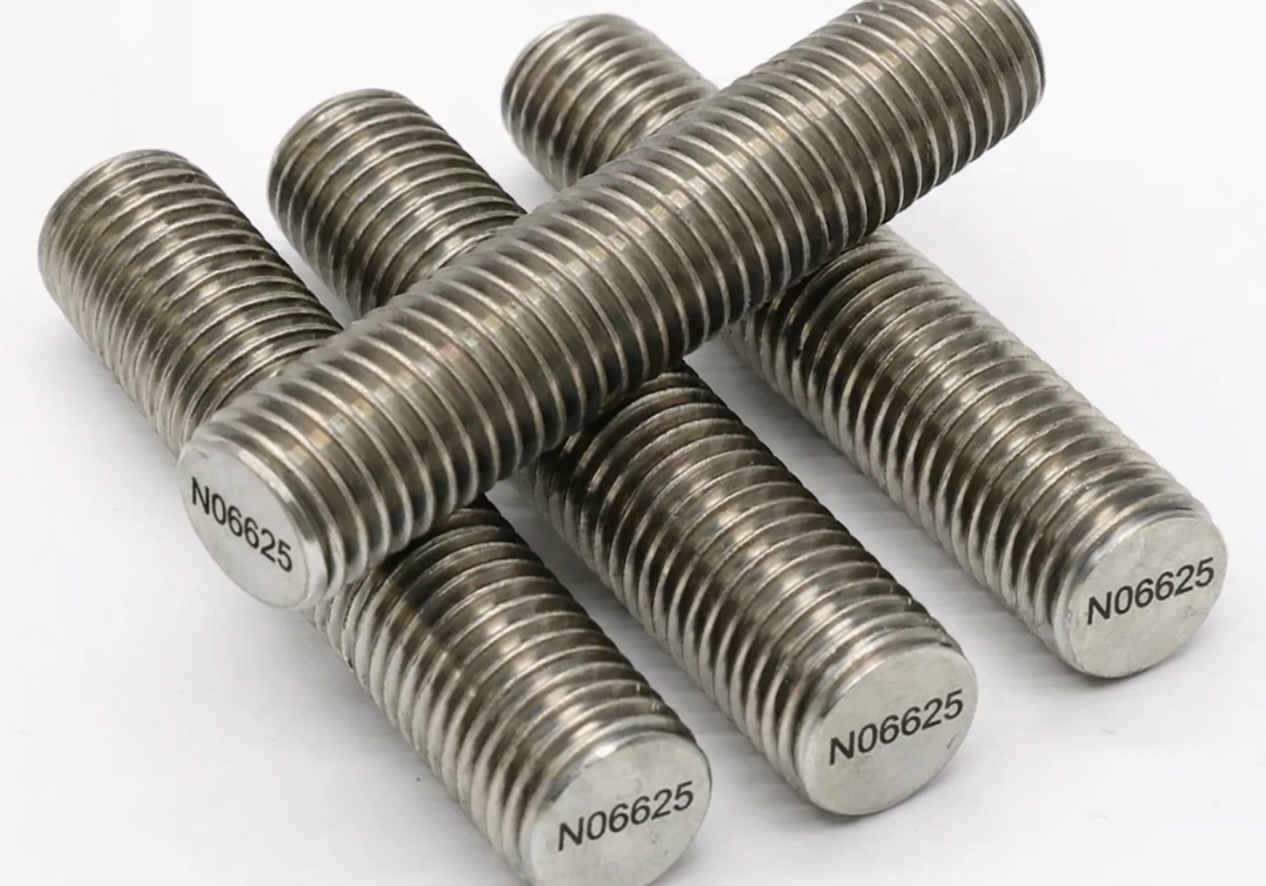
For these applications, engineering teams often move to Inconel 625 (UNS N06625, Werkstoff 2.4856).
Unlike stainless steels or duplex alloys, Inconel 625 provides a nickel-based corrosion-resistant alloy system designed for severe chloride exposure, sour environments and long-term service reliability. It is not selected because it is the strongest available fastener alloy; it is selected because corrosion resistance, resistance to pitting, crevice attack and chloride stress corrosion cracking become the controlling design factors.
This article is written for procurement engineers, materials engineers, EPC contractors and project teams working on oil, gas, petrochemical and marine projects, especially in the MENA region.
Gangluo supplies nickel-alloy fasteners including Inconel 625 studs, bolts, nuts and custom CRA bolting packages for refinery, offshore, desalination and chemical processing applications.
For the wider range of oil and gas bolting materials, see our oil & gas fastener manufacturer and stud bolt center.
Gangluo Inconel 625 Fastener Quick Reference
- Material: Inconel 625 / UNS N06625 / Werkstoff 2.4856
- Standards: ASTM B446 (bar), ASTM B564 (forgings)
- Condition: Solution annealed
- Sour-service: NACE MR0175 / ISO 15156-3 where applicable
- CRA bolting: API 20F where specified by equipment/project scope
- Documentation: EN 10204 3.1, PMI, hardness reports, heat traceability
What Is Inconel 625?
Inconel 625 is a nickel-based corrosion-resistant alloy containing chromium, molybdenum and niobium. It belongs to the family of solid-solution-strengthened nickel alloys.
For fastener applications, the important characteristics are:
- Nickel matrix: provides excellent resistance to chloride environments and stress corrosion cracking.
- Chromium addition: improves resistance to oxidizing media and general corrosion.
- Molybdenum addition: improves resistance to pitting and crevice corrosion, especially in seawater.
- Niobium addition: contributes to solid-solution strengthening.
Unlike Inconel 718, which is precipitation hardened for higher mechanical strength, Inconel 625 is normally supplied in the solution-annealed condition for corrosion-resistant bolting applications.
Typical properties in solution-annealed condition:
| Property | Typical Value |
|---|---|
| Tensile strength | Approximately 827 MPa |
| Yield strength | Approximately 414 MPa |
| Hardness | Typically below 22 HRC for sour-service applications |
| PREN | Approximately 42–47 |
The engineering decision is therefore not simply "highest strength wins." For critical bolting, the correct alloy depends on temperature, chloride concentration, hydrogen sulfide exposure, mechanical preload requirements, inspection requirements and expected service life.
Chemical Composition and Metallurgical Properties
The corrosion performance of Inconel 625 comes from its balanced alloy chemistry.
| Element | Content |
|---|---|
| Nickel (Ni) | 58% minimum |
| Chromium (Cr) | 20–23% |
| Molybdenum (Mo) | 8–10% |
| Niobium + Tantalum (Nb+Ta) | 3.15–4.15% |
| Iron (Fe) | Balance elements |
| Carbon (C) | Low controlled level |
The alloy's PREN value is typically around 42–47, placing it significantly above conventional stainless steels and close to super duplex stainless steel ranges for chloride pitting resistance.
However, PREN alone does not define suitability. Inconel 625 differs from duplex alloys because it provides nickel-based chloride resistance, strong resistance to chloride stress corrosion cracking, stable performance across a wide range of corrosive environments, and no ferrite/austenite phase balance concerns during fabrication.
For sour and seawater applications, the alloy selection must consider the complete operating environment rather than a single corrosion index.
Inconel 625 Compared With Other Fastener Materials
Material substitution decisions are common during EPC procurement. A lower-cost alloy may appear acceptable on paper but fail when temperature, chloride or sour-service conditions become more severe.
| Material | Tensile Strength | Yield Strength | PREN | Sour Service | Typical Use |
|---|---|---|---|---|---|
| ASTM A193 B7 | ~860 MPa | ~720 MPa | — | Limited depending on environment | General refinery bolting |
| 316L Stainless | ~485–620 MPa | ~210–310 MPa | ~24 | Limited | General corrosion service |
| Duplex 2205 | ~620–690 MPa | ~450 MPa | ~34 | Within limits | Chloride applications |
| Super Duplex 2507 | ~760–800 MPa | ~550 MPa | ~42–45 | Within limits | Severe seawater service |
| Inconel 625 | ~827 MPa | ~414 MPa | ~42–47 | Yes, within applicable limits | Sour gas, seawater, CRA bolting |
Inconel 625 vs Carbon Steel B7
B7 studs are economical and widely used throughout refinery applications. They become unsuitable when H₂S exposure creates sour-service concerns, chloride corrosion is present, external marine exposure exists, or corrosion allowance is insufficient. Inconel 625 eliminates many of these corrosion limitations but carries a higher material cost.
Inconel 625 vs Stainless Steel
316 stainless steel performs well in many general applications but has lower resistance to chloride pitting, crevice corrosion and chloride stress corrosion cracking. For seawater and offshore environments, 625 provides a larger corrosion margin.
Inconel 625 vs Super Duplex 2507
Super duplex 2507 offers excellent strength and chloride resistance at a lower cost. Inconel 625 is generally selected when sour-service requirements become more restrictive, temperature increases, chloride SCC resistance becomes critical, or long-term corrosion reliability justifies the alloy premium.
Sour Service: NACE MR0175 / ISO 15156-3 and API 20F Considerations
In oil and gas production, sour service means exposure to environments containing hydrogen sulfide (H₂S), where material cracking risks must be controlled.
For Inconel 625 fasteners, the primary reference is:
NACE MR0175 / ISO 15156-3 — Petroleum and natural gas industries — Materials for use in H₂S-containing environments in oil and gas production.
Typical requirements include solution-annealed condition, controlled hardness, material traceability, PMI verification and compliance with environmental limits.
For sour-service bolting, hardness control is critical. In many applications the commonly referenced limit is:
Maximum hardness: approximately 22 HRC
The actual requirement depends on the specific alloy condition, environmental severity and project specification.
API 20F Corrosion-Resistant Bolting
For certain oil and gas equipment scopes, API 20F — Corrosion-Resistant Bolting for the Petroleum and Natural Gas Industries may also be specified.
API 20F addresses corrosion-resistant bolting requirements where equipment owners or project specifications require controlled CRA bolting materials, manufacturing practices and documentation.
The applicable requirement depends on equipment type, project specification, operating environment and owner engineering standard.
NACE MR0175 / ISO 15156-3 is primarily associated with upstream oil and gas production sour environments, while other refinery and downstream applications may reference different corrosion and materials requirements, including project-specific CRA bolting specifications.
Seawater Applications
Seawater is one of the most demanding environments for bolting materials because it combines high chloride concentration, oxygen exposure, temperature variation and crevice conditions beneath washers and flange interfaces.
Inconel 625 fasteners are commonly used where stainless steel or duplex alternatives do not provide sufficient service margin.
Typical applications include seawater pump flanges, desalination equipment, offshore platforms, splash-zone structures, marine heat exchangers, chlorinated cooling-water systems and coastal process equipment.
Compared with 316 stainless steel, Inconel 625 provides significantly improved resistance to pitting corrosion, crevice corrosion and chloride stress corrosion cracking.
For offshore and marine EPC projects, CRA bolting is often selected because replacing failed flange hardware offshore can cost far more than the original material premium.
Manufacturing Control: CNC Machining, Threading and Assembly Considerations
Inconel 625 fasteners require different manufacturing controls compared with carbon steel or stainless steel hardware.
The alloy provides excellent corrosion resistance, but its high nickel content creates several production challenges: rapid work hardening during machining, higher cutting forces, tool wear, and thread galling risk during assembly.
For this reason, Inconel 625 studs, bolts and nuts are typically produced from certified solution-annealed bar or forgings rather than conventional high-volume cold heading processes.
CNC Machining From Certified Bar
Manufacturing controls include controlled cutting speeds and feeds, sharp tooling to avoid surface work hardening, heat management during machining and dimensional inspection after machining.
A poorly machined nickel alloy surface can create local hardened areas that affect thread performance and long-term reliability.
Thread Manufacturing
Common thread systems: ASME B1.1 UNC/UNF, 8UN for larger diameter studs, metric ISO threads where specified.
Thread quality is critical because flange preload depends on predictable friction and engagement. Inspection typically includes thread plug/ring gauge inspection, dimensional verification, surface examination and lot traceability.
Galling Control
Like many nickel alloys, Inconel 625 has a tendency to gall when similar materials contact each other under pressure.
Recommended practices: use compatible anti-seize compounds, avoid dry assembly, control installation torque, verify friction assumptions during flange calculations.
For critical pressure-service applications, the lubricant specification should be included in the bolting procedure rather than treated as an installation detail.
Heat Traceability
Every CRA fastener package should maintain raw material heat number, manufacturing records, heat-treatment records, inspection reports and final identification marking.
This allows EPC contractors and operators to verify that the installed hardware matches the approved material specification.
Quality and Documentation
For critical oil, gas and marine projects, the certificate package is part of the fastener specification.
Gangluo supplies documentation packages according to project requirements, including:
EN 10204 3.1 Material Certificates
Typical certificate information: heat number, chemical composition, mechanical properties, material designation, manufacturing standard reference.
PMI (Positive Material Identification)
PMI verification confirms that the supplied fasteners are manufactured from the specified alloy. Common methods: XRF alloy identification, optical emission spectroscopy where required.
PMI is particularly important for CRA bolting because visual appearance cannot distinguish Inconel 625 from lower-cost nickel alloys or stainless alternatives.
Mechanical and Dimensional Inspection
Inspection may include tensile testing records, hardness testing, thread inspection, dimensional reports and surface examination.
For sour-service projects, hardness verification is especially important because excessive hardness can increase susceptibility to hydrogen-related cracking mechanisms.
Third-Party Inspection
For EPC and operator-controlled projects, third-party inspection can be arranged through SGS, Bureau Veritas, TÜV or TÜV Rheinland. Inspection scope depends on project requirements.
Quick Reference Specification Table
| Item | Specification |
|---|---|
| Material | Inconel 625 / UNS N06625 / Werkstoff 2.4856 |
| Alloy type | Nickel-chromium-molybdenum-niobium solid-solution alloy |
| Bar standard | ASTM B446 |
| Forging standard | ASTM B564 |
| Condition | Solution annealed |
| Tensile strength | Approximately 827 MPa |
| Yield strength | Approximately 414 MPa |
| Hardness | Typically ≤22 HRC for sour-service applications |
| PREN | Approximately 42–47 |
| Sour-service reference | NACE MR0175 / ISO 15156-3 where applicable |
| CRA bolting reference | API 20F where specified by equipment/project scope |
| Thread systems | UNC, UNF, 8UN, metric ISO on request |
| Documentation | EN 10204 3.1, PMI, hardness, dimensional reports |
| Applications | Sour gas, seawater, offshore, desalination, chemical processing |
Related Guides
- Oil & Gas Fasteners Manufacturer and Supplier
- Inconel 718 Fasteners for High Temperature Applications
- Duplex and Super Duplex Fasteners Guide
- Flange Stud Bolts for ASME B16.5 Pressure Applications
- Monel K500 Fasteners for Marine Service
- Stainless Steel Fasteners Manufacturer and Supplier
- Custom Fastener Manufacturer and Supplier
FAQ
Is Inconel 625 suitable for sour service?
Yes, Inconel 625 can be used for sour-service applications when supplied in the correct condition and when the operating environment complies with applicable requirements such as NACE MR0175 / ISO 15156-3. Project specifications may also reference API 20F for corrosion-resistant bolting requirements.
Why choose Inconel 625 instead of stainless steel for seawater service?
Inconel 625 provides higher resistance to chloride pitting, crevice corrosion and chloride stress corrosion cracking compared with conventional stainless steels such as 316. It is selected when seawater exposure, temperature or service reliability requirements exceed stainless steel capability.
Is Inconel 625 stronger than Super Duplex 2507?
Not always. Super Duplex 2507 generally provides higher yield strength. Inconel 625 is selected primarily for corrosion resistance, material compatibility and long-term reliability in aggressive environments.
Can Inconel 625 fasteners be zinc plated?
No. Zinc plating is generally not used for CRA fasteners in sour-service applications because it can affect material performance and does not provide the corrosion-resistant design benefit of the nickel alloy itself.
Do Inconel 625 fasteners need anti-seize?
Yes. Nickel alloys can gall during assembly, especially when identical materials contact under high preload. A suitable anti-seize compound and controlled installation procedure are recommended.
What certificates are required for Inconel 625 fasteners?
Typical documentation includes EN 10204 3.1 certificate, PMI report, hardness report, heat-treatment records and dimensional inspection records. Additional inspection requirements depend on project specifications.
What is the difference between Inconel 625 and Inconel 718 fasteners?
Inconel 625 is solid-solution strengthened with excellent corrosion resistance, common for seawater and sour-service applications. Inconel 718 is precipitation hardened with higher mechanical strength at elevated temperature, common for aerospace and high-temperature equipment.
Request Inconel 625 Fastener Support
Send your flange schedule, material specification, sour-service classification, drawings and documentation requirements.
Gangluo engineering team can review material compatibility, manufacturing requirements and inspection needs for Inconel 625 CRA bolting packages.
Engineering support: engineering@gangluo-fasteners.com
Contact Gangluo for Inconel 625 studs, bolts, nuts and custom corrosion-resistant fasteners for oil & gas, offshore and marine applications.